
Food is more than just calories. It is information for our bodies. What we eat affects our energy, digestion, hormones, immune system, skin, brain, and how we feel from day to day.
In a world where shelves are full of ready-made products, it can be difficult to figure out what is truly nutritious food and what is highly processed. The goal is not perfection but greater awareness. To choose foods that your body knows more often.
What is clean food?
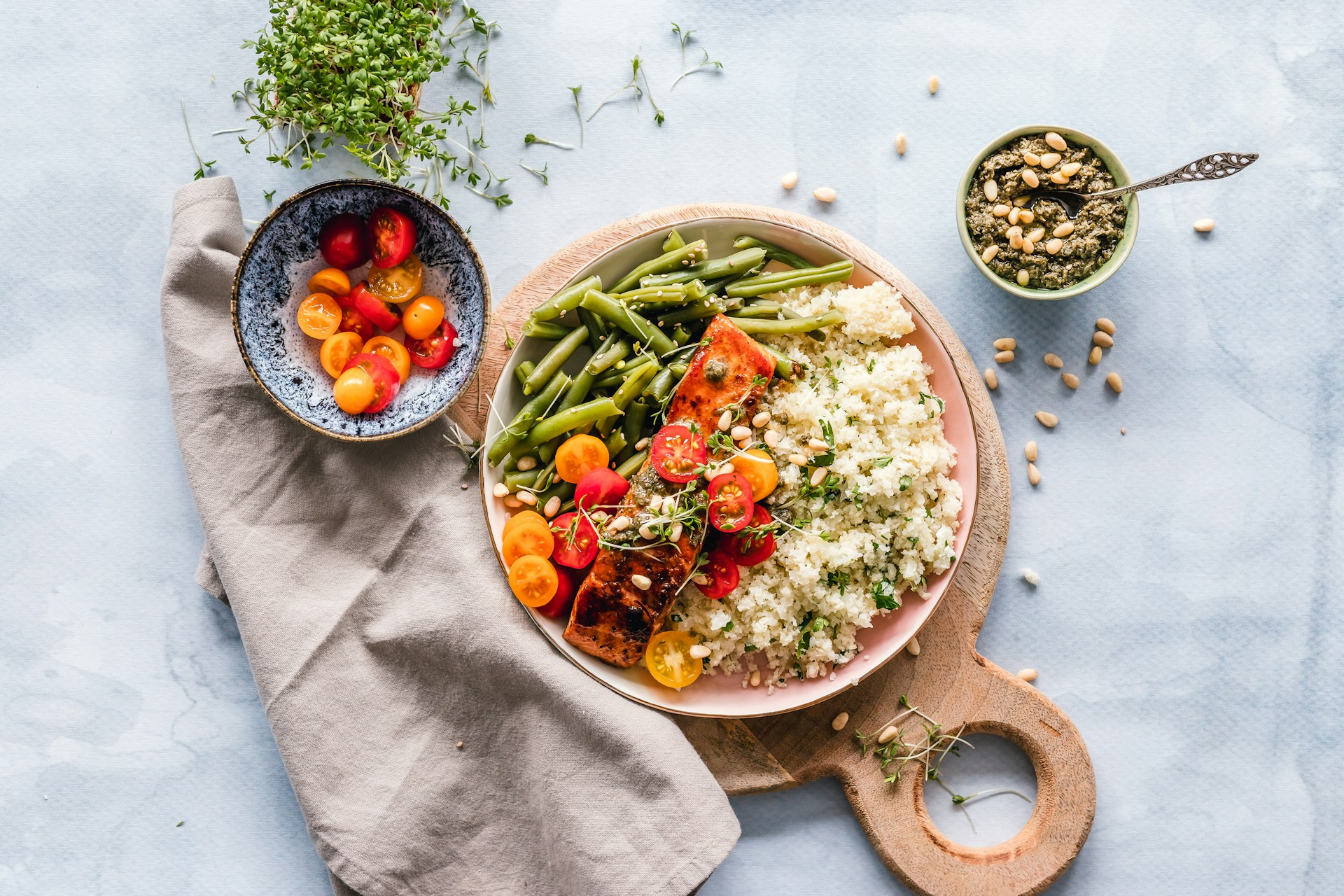
Whole foods are foods that are as close to their natural form as possible. They are foods that have been minimally modified, contain nutrients, and often do not have lengthy ingredient lists.
Examples include vegetables, fruits, berries, beans, lentils, nuts, seeds, eggs, fish, lean meats, whole grains, herbs, spices, and unrefined fats such as olive oil and avocado.
A simple rule: If your grandmother would have recognized the ingredients as food — your body is more likely to do so too.
What is a processed food?
It's important to remember that not all processing is bad. Freezing berries, boiling beans, or making yogurt is also processing.
What we want to be especially careful of are ultra-processed foods. These are products that often contain high amounts of added sugar, artificial colors, flavors, sweeteners, highly processed oils, emulsifiers, and additives, along with low amounts of fiber and nutrition.
Examples include soft drinks, sweets, many ready-made cakes and cookies, fast food, highly processed breakfast cereals, and packaged foods with very long ingredient lists.
Read the ingredient list
Don't just look at the front of the package. Words like "natural," "fitness," "high in protein," or "healthy" don't always tell the whole story.
Turn the product over and ask: Do I recognize the ingredients? Would I have these ingredients at home in my kitchen cupboard? Is sugar one of the first ingredients? Is the list very long?
Why does this matter?
Highly processed foods can make it harder for us to listen to our body's natural signals. Studies have linked high consumption of highly processed foods to lower nutritional quality of the diet, increased sugar cravings, energy fluctuations, weight gain, and poorer metabolic health.
The body needs nutrition to function well—not just filling up.
Food and the brain – effects on concentration and behavior
Our brain uses nutrients every day. Children and adults may have different sensitivities to what they eat.
Some studies have shown a link between certain artificial colors and additives and increased hyperactivity or symptoms in some children who are sensitive to them.
That doesn't mean that food is the sole cause of ADHD or behavioral challenges. But for some people, diet can be one part of a bigger picture.
Sources and further reading
Harvard TH Chan School of Public Health – Processed Foods and Health
McCann et al. (2007), The Lancet – Food additives and hyperactive behavior in children
University of Southampton – Research on food additives and hyperactivity in children
Harvard Health Publishing – Ultra-processed foods and health