
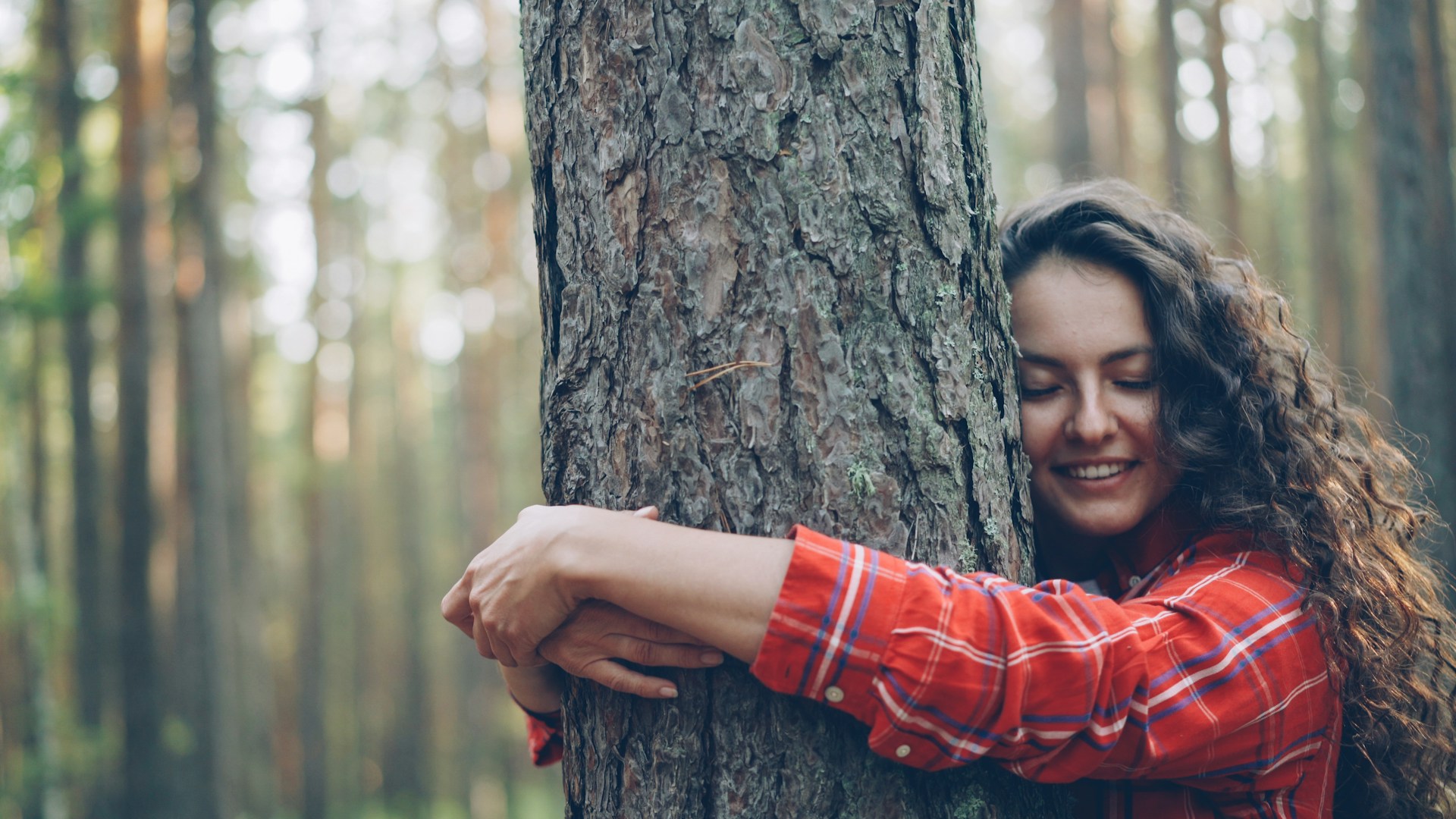
When nature becomes more than just a place
There is something deeply calming about taking a slow walk in the woods. Breathing in the fresh air, listening to the birds singing, smelling the earth, and allowing your body to slow down. Most of us intuitively feel that nature has an effect on us — but in recent years, research has also begun to confirm what many have long felt: nature can have a real impact on both mental and physical health.
Two terms that have become increasingly visible in the discussion of nature-based wellness are forest bathing and forest therapy. They are closely related, but not exactly the same.
What is forest bathing?
The term forest bathing originates from Japan, where it is called Shinrin-yoku. The word literally means "bathing in the forest atmosphere."
It's not about hiking with a goal, fitness, or performance. It's also not about getting to the top of a mountain as quickly as possible or counting steps. Forest bathing is a practice of presence.
-To slow down.
-Opening the senses.
-Being consciously present in nature.
In forest bathing, we take time to take in our surroundings through sight, hearing, smell, touch, and even taste. We listen to the wind in the trees, feel the moss under our feet, and notice how our bodies gradually begin to relax as the stressors subside.
This is a simple practice, but often very effective. It goes from thinking about nature to experiencing it. In modern society, we spend a large part of our day indoors, in front of screens and in constant stimulation. The nervous system rarely gets a real break. Nature offers us something completely different, something real that is much better for our systems and it is proven by research how good it is for us, this is not some nonsense!
When we slow down in a natural environment, the body often automatically shifts from a state of stress to one of greater calm. The breath deepens. The mind calms. The body softens.
Many people describe feeling more connected—not just to nature but also to themselves.
Maybe it's because nature demands nothing of us. It doesn't ask us to be more productive, faster, or better. It simply invites us to be.
What is forest therapy?
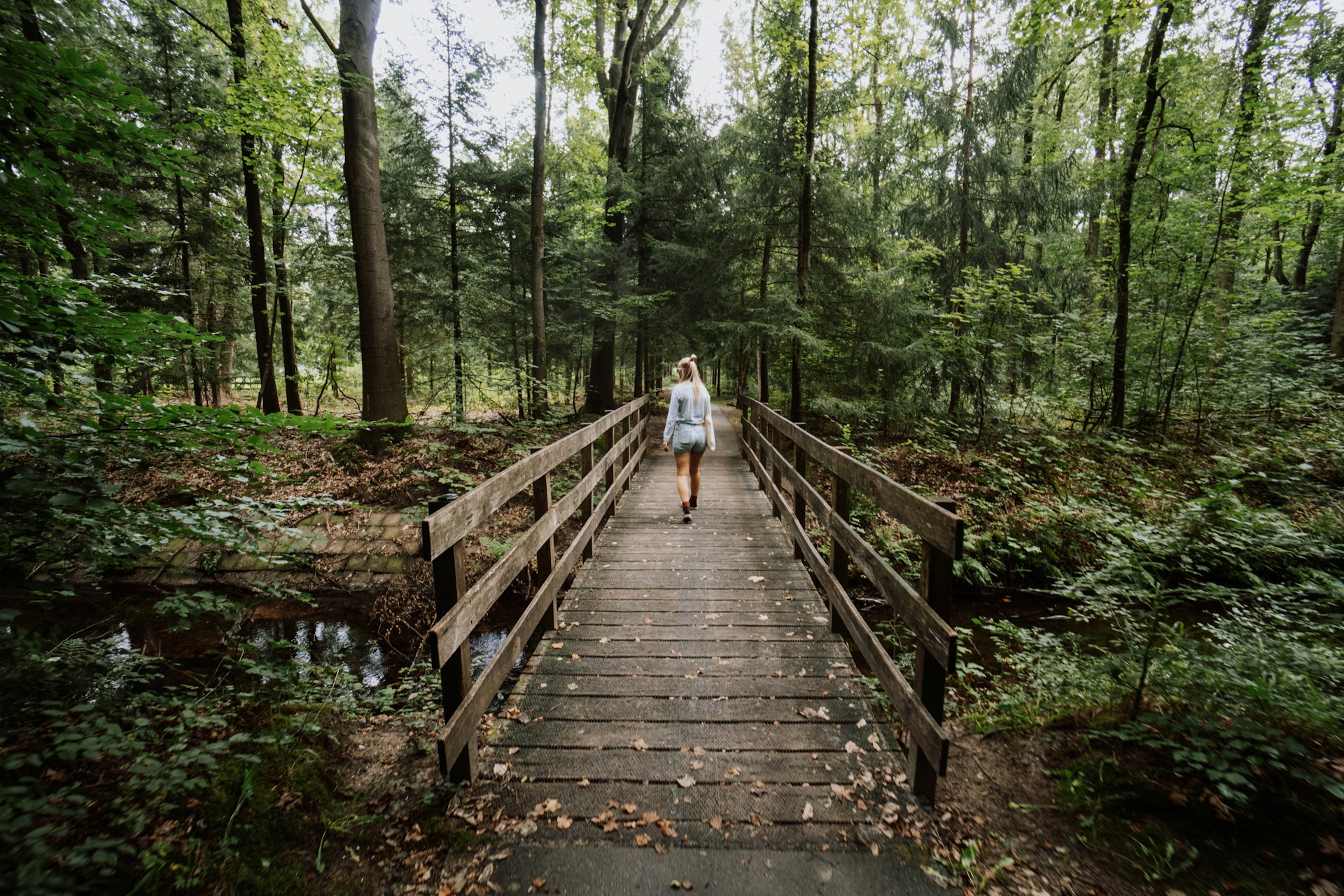
Forest therapy evolved from this Japanese approach. It is based on the same philosophy but is often a guided experience where a trained facilitator manages the space.
In forest therapy, a guide leads participants through gentle “invitations” that help people connect with nature in a deeper way. These are not instructions but open-ended suggestions that encourage curiosity, presence, and perception.
For example, a facilitator can invite participants to:
- walk very slowly
- notice colors and shapes
- listen to sounds in the distance
- find out how the body reacts to certain places in nature
- sit in silence with a tree or landscape
The goal is not to "do the right thing", but to experience nature in its entirety.
Research and health effects
Research on Shinrin-yoku has shown links to, among other things:
- less stress
- lower cortisol
- increased relaxation of the nervous system
- improved well-being
- better sleep
- lower blood pressure
- increased well-being and connection
Dr. Qing Li, one of the world's leading experts in forest medicine, has studied the health effects of forest environments for decades. He describes forest bathing as a bridge between humans and nature—a way to reconnect with a connection that many have lost in the fast-paced world of today.
Nature as a relationship, not just a place
Perhaps one of the most beautiful aspects of forest therapy is that it can change the way we see nature. Instead of seeing it as a backdrop, a recreation, or a resource, we gradually begin to experience ourselves as a part of it. We begin to belong to nature, not separate ourselves from it. And perhaps that is precisely where the greatest healing lies! When we slow down enough to listen. Feel. Breathe. And remember that we are part of something bigger. Then the forest no longer becomes a place we visit. But a place we belong to.