29.05.2026
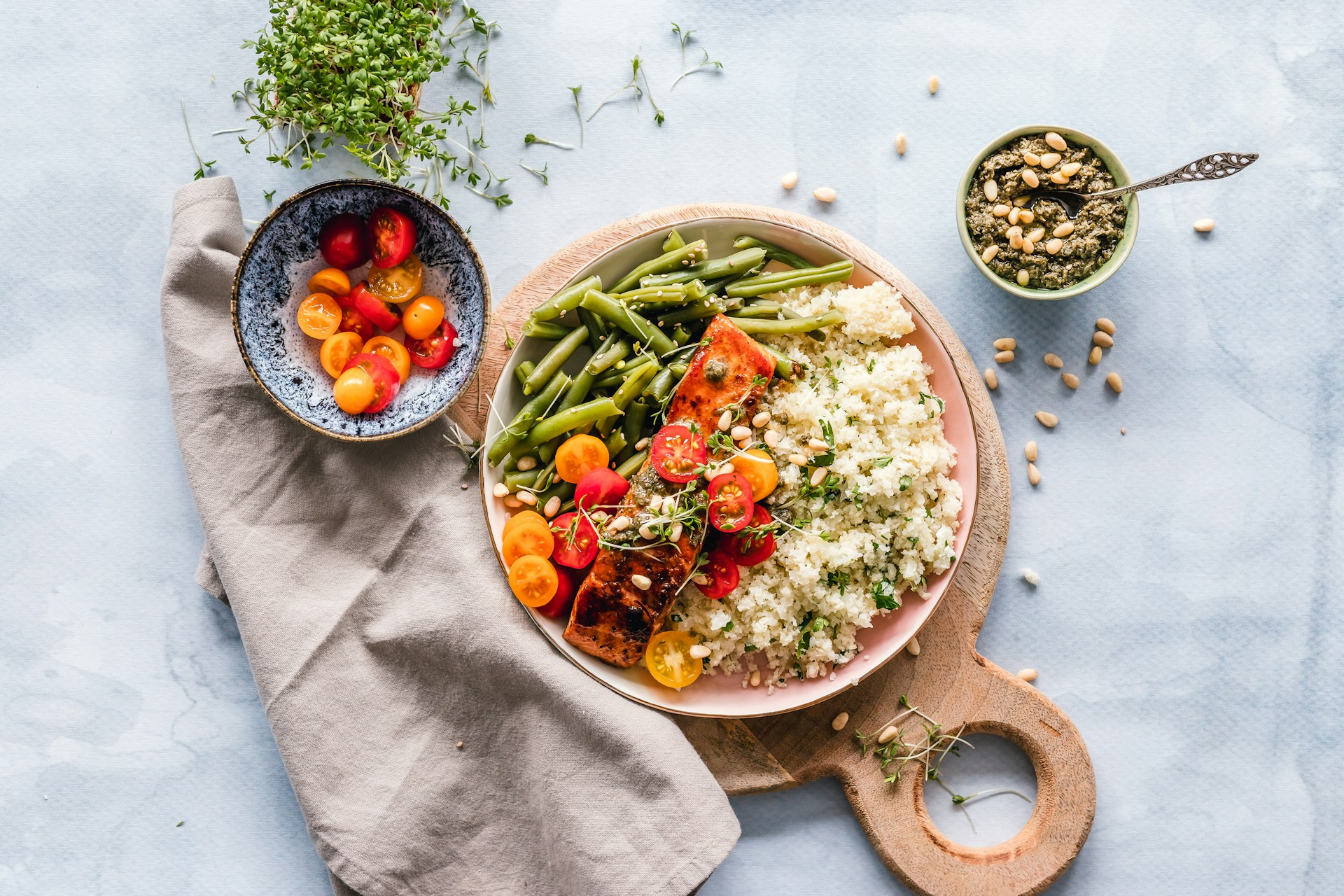
Food is more than just calories. It is information for our bodies. What we eat affects our energy, digestion, hormones, immune system, skin, brain, and how we feel from day to day.
In a world where shelves are full of ready-made products, it can be difficult to figure out what is truly nutritious food and what is highly processed. The goal is not perfection but greater awareness. To choose foods that your body knows more often.
What is clean food?
Whole foods are foods that are as close to their natural form as possible. They are foods that have been minimally modified, contain nutrients, and often do not have lengthy ingredient lists.
Examples include vegetables, fruits, berries, beans, lentils, nuts, seeds, eggs, fish, lean meats, whole grains, herbs, spices, and unrefined fats such as olive oil and avocado.
A simple rule: If your grandmother would have recognized the ingredients as food — your body is more likely to do so too.
What is a processed food?
It's important to remember that not all processing is bad. Freezing berries, boiling beans, or making yogurt is also processing.
What we want to be especially careful of are ultra-processed foods. These are products that often contain high amounts of added sugar, artificial colors, flavors, sweeteners, highly processed oils, emulsifiers, and additives, along with low amounts of fiber and nutrition.
Examples include soft drinks, sweets, many ready-made cakes and cookies, fast food, highly processed breakfast cereals, and packaged foods with very long ingredient lists.
Read the ingredient list
Don't just look at the front of the package. Words like "natural," "fitness," "high in protein," or "healthy" don't always tell the whole story.
Turn the product over and ask: Do I recognize the ingredients? Would I have these ingredients at home in my kitchen cupboard? Is sugar one of the first ingredients? Is the list very long?
Why does this matter?
Highly processed foods can make it harder for us to listen to our body's natural signals. Studies have linked high consumption of highly processed foods to lower nutritional quality of the diet, increased sugar cravings, energy fluctuations, weight gain, and poorer metabolic health.
The body needs nutrition to function well—not just filling up.
Food and the brain – effects on concentration and behavior
Our brain uses nutrients every day. Children and adults may have different sensitivities to what they eat.
Some studies have shown a link between certain artificial colors and additives and increased hyperactivity or symptoms in some children who are sensitive to them.
That doesn't mean that food is the sole cause of ADHD or behavioral challenges. But for some people, diet can be one part of a bigger picture.
Sources and further reading
Harvard TH Chan School of Public Health – Processed Foods and Health
McCann et al. (2007), The Lancet – Food additives and hyperactive behavior in children
University of Southampton – Research on food additives and hyperactivity in children
Harvard Health Publishing – Ultra-processed foods and health
24.05.2026

Cacao has been used for thousands of years as a sacred beverage in many cultures, especially in Central and South America. For the Maya and Aztecs, cacao was not just food—but a plant that connected people to their heart, nature, community, and spiritual nourishment.
Today, many experience cacao as a warm, calming, and "heart-opening" beverage that helps us slow down, connect better with ourselves, and create greater presence.
What makes cacao so special?
Unlike traditional cacao, which is often heavily processed and sweetened, pure ceremonial cacao contains high levels of nutrients and active phytochemicals that can affect both body and mind.
Theobromine — gentle energy for the heart
One of the main active ingredients in cacao is theobromine.
It is a natural stimulant that belongs to the same family as caffeine, but has a much milder effect on the body.
Theobromine can, among other things:
— increased blood flow
— promoted greater concentration
— provide soft and consistent energy
— help the body relax at the same time
Many people experience cacao very differently than coffee. The energy is often warmer, softer, and less stressful for the nervous system.
Cacao and the "love substances" in the brain
Cacao contains natural chemicals associated with well-being, connection, and joy. That's why many people refer to cacao as a "heart-opening" drink.
Phenylethylamine (PEA)
One of the most well-known chemicals in cacao is Phenylethylamine, often called the “love chemical.” The body also produces this chemical when we fall in love.
PEA is associated with, among other things:
— joy
— tension
— increased connectivity
— a feeling of love and well-being
Anandamide — "bliss molecule"
Cacao also contains the chemical Anandamide, which is sometimes called the “bliss molecule.” The word comes from the Sanskrit word ananda , which means joy or bliss.
Anandamide is associated with:
— well-being
— calm
— a feeling of pleasure
— more presence
Tryptophan and serotonin
Cacao also contains the amino acid tryptophan, which the body uses to produce serotonin.
Serotonin is associated with, among other things:
— mood balance
— calm
— well-being
— better sleep
Natural support for well-being
Cacao does not “produce” serotonin or dopamine itself, but it does contain substances that can support the processes in the body related to these important neurotransmitters. That’s why many people experience cacao as a warm, uplifting, and deeply nourishing drink — both physically and mentally.
Magnesium-rich superfood
Cacao is also rich in minerals, especially magnesium.
Magnesium supports, among other things:
— the nervous system
— muscle relaxation
— sleep
— energy production
— hormonal balance
Many people have low levels of magnesium today due to stress, strain, and a nutrient-poor diet, so cacao can be a beautiful way to nourish the body naturally.
Other nutrients in cacao
Raw cacao also contains:
— iron
— zinc
— copper
— antioxidants
— flavonoids that can support the cardiovascular system
Research suggests that flavonoids in cacao may support, among other things:
— blood flow
— heart health
— brain function
— less inflammation in the body
When is the best time to drink cacao?
It depends a bit on what the purpose is, do we want to start the day with a cup for ourselves and set an intention for the day or is the purpose different? Many people start the day by drinking cacao instead of coffee in order to experience a softer and calmer energy throughout the day.
For yoga or meditation
Cacao can help people get better connected to their bodies and mindfulness.
In a quiet evening
Smaller doses of cacao can be used as a warm and nourishing evening routine, but are not recommended for those who are sensitive to or struggle with sleep problems. However, ceremonial cacao can be stimulating for some, so very large doses late at night are not suitable for everyone.
What is a cacao ceremony?
A cacao ceremony is not about perfection or rules of how a ceremony should be, but rather about presence and connection both within yourself and with other people if you are drinking cacao in a group. You can drink your cup with your own intention. I recommend putting on beautiful music, because cacao is extremely receptive to the energy that comes from beautiful music, bless your cup and whisper beautiful words into it and what you need or what you are looking for.
Many people use cacao as a way to:
— slow down
— open your heart
— connect with their emotions
— set an intention
— meditate
— sing
— dance
— write in a diary
— connect with others in the community
The ceremony can be simple and doable for everyone:
It is simply enough to sit in silence with a cup of cacao and breathe deeply. Then there are larger guided experiences where music is played, meditation, yoga nidra, breathing exercises or a circle where people come together and enjoy drinking this natural drink from Mother Earth, which is often called cacao.
More than just a drink
For many, cacao becomes not just a hot drink — but a ritual.
A moment to pause in the pace of the day and reconnect with ourselves again and again. In a world where many live in stress and constant stimulation, cacao can remind us of something very simple like softening, breathing, and opening our hearts a little more so that life becomes better.
21.05.2026

Apple cider vinegar has been used for thousands of years as a natural remedy and part of the daily diet. It is made from fermented apples, where the natural sugars are first converted into alcohol and then into acetic acid with the help of beneficial bacteria. This double fermentation makes apple cider vinegar unique: it combines the properties of fruit, enzymes, bioactive substances and microorganisms that affect digestion, metabolism and overall health. Studies show that regular consumption of apple cider vinegar can have a positive effect on blood sugar, cardiovascular system, digestion, intestinal flora, skin and even mental health.
Chemical content and active ingredients
The main active ingredients in apple cider vinegar are acetic acid, polyphenols, natural enzymes and probiotics. Acetic acid has antibacterial effects and helps the body maintain a balance in blood sugar and pH. Polyphenols are powerful antioxidants that reduce inflammation and protect cells from oxidative stress. When apple cider vinegar is unpasteurized and contains the so-called “mother of vinegar”, it also contains probiotics – good bacteria that support digestion and intestinal flora. These live bacteria and enzymes help the body break down food and increase the absorption of nutrients.
Effects on digestion and microflora
Apple cider vinegar has a direct effect on the digestive system. Acetic acid increases the production of stomach acid, which helps break down proteins. It also stimulates the secretion of digestive enzymes and can reduce bloating and discomfort after a meal. Probiotics in unpasteurized apple cider vinegar promote a healthy microflora and increase the diversity of the bacterial community in the digestive tract. Polyphenols from apples act as prebiotics, i.e. as food for good bacteria, and together these substances create an environment that strengthens the intestinal walls and improves the absorption of nutrients. For people with impaired digestion or low stomach acid, a teaspoon of apple cider vinegar in water before a meal can help activate digestion naturally.
Effects on blood sugar and metabolism
One of the best-established benefits of apple cider vinegar is its effect on blood sugar and insulin sensitivity. The acetic acid slows down the breakdown of carbohydrates in the digestive tract, thereby reducing post-meal blood sugar spikes. This can be especially beneficial for individuals with insulin resistance, metabolic syndrome, or type 2 diabetes. Studies show that consuming two teaspoons of apple cider vinegar before a carbohydrate-rich meal can lower blood sugar levels by up to 20–30%. Regular use can also improve feelings of satiety, reduce appetite, and support weight management.
Effects on inflammation, heart and blood vessels
The polyphenols and acetic acid in apple cider vinegar may have anti-inflammatory and lipid-lowering effects. They reduce the oxidation of LDL cholesterol, which reduces the risk of atherosclerosis, and may improve blood flow by relaxing blood vessel walls. Some studies suggest that regular use of apple cider vinegar may lower both triglycerides and total cholesterol and increase HDL (“good”) cholesterol. Thus, apple cider vinegar may be a simple natural supplement for heart health, although it should not be used as a substitute for medication.
Effects on the skin, throat, and immune system
Apple cider vinegar has natural antibacterial properties and is used both internally and externally. Externally, it can help with fungal infections, acne, and dandruff when diluted in water. Internally
It supports the body's cleansing process by stimulating the liver and kidneys and improving the body's pH. Gargling with apple cider vinegar (1 tablespoon in water) can help with a sore throat, and a diluted apple cider vinegar solution can reduce body odor as it balances the pH of the skin.
Impact on mental and neurological health
The digestive system and nervous system are closely connected through the gut-brain axis. Apple cider vinegar affects this connection by supporting microbial balance and indirectly increasing the production of neurotransmitters. Probiotics in unpasteurized apple cider vinegar can affect the production of serotonin and GABA – chemicals that promote calm and emotional balance. Polyphenols from apples reduce oxidative stress in the brain and can reduce symptoms of stress. Some studies suggest that regular use of apple cider vinegar can have a positive effect on energy, mental focus, and even sleep by regulating blood sugar and the body’s hormonal response.
Practical uses and dosages
Most people use apple cider vinegar diluted in water, either in the morning or before meals. The most common mixture is 1–2 teaspoons in a glass of water, 1–2 times a day. For sensitive digestion, it is good to start with a smaller dose and increase gradually. Apple cider vinegar can also be used in salad dressings or drinks, and for external use it is always diluted – for example, in a ratio of 1:3 to water.
Caution and quality standards
Apple cider vinegar should not be consumed undiluted, as the acid can irritate mucous membranes and teeth. It is best to use a glass cup and rinse your mouth after drinking. People with acid reflux, stomach ulcers or low blood pressure
should consult a doctor before starting regular use. Always choose unpasteurized, organic apple cider vinegar with its mother (mother of vinegar), as it contains probiotics and natural enzymes.
Sources
Journal of Functional Foods (2020): Biological effects of acetic acid on metabolism and gut health. Nutrients (2021): Apple cider vinegar and glycemic control – systematic review. Frontiers in Nutrition (2020): The gut-brain axis and fermented foods. Bioscience, Biotechnology and Biochemistry (2019): Polyphenols in apple cider vinegar and antioxidant properties.
Phytotherapy Research (2021): Antimicrobial and anti-inflammatory effects of vinegar. American Journal of Clinical Nutrition (2020): Role of fermented foods in human health.